
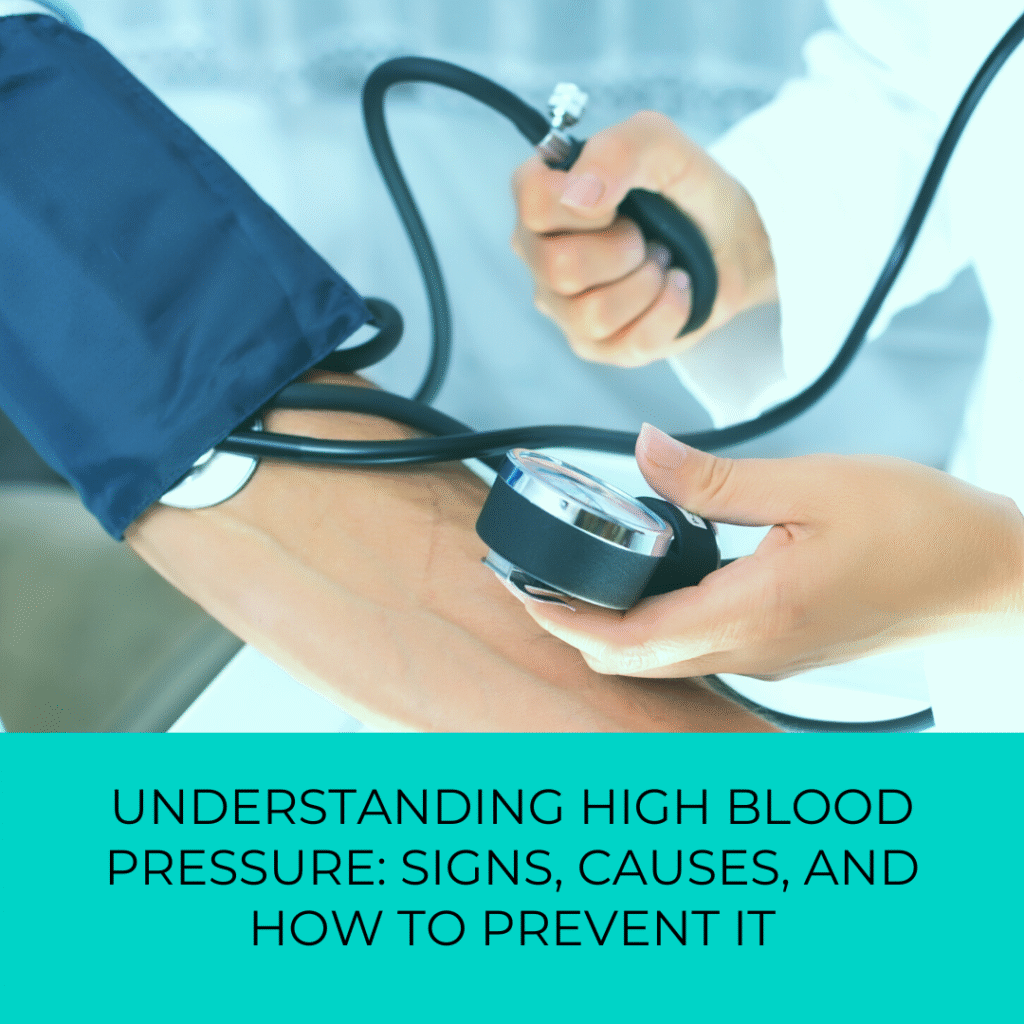
There is a reason why high blood pressure is called the “silent condition.” That’s because before anything serious happens, a lot of people live with it for years without any signs or symptoms of it.
And by then, it might have started causing harm.
This is an important topic for a community like Gleeful Health Nexus that is focused on wellness. The brain, kidneys, energy levels, sleep quality, and long-term vitality are all impacted by high blood pressure in addition to the heart. The good news? With the correct information and regular lifestyle changes, it’s generally preventable and manageable.
Let’s dissect it in a straightforward and useful manner.
Managing blood pressure isn’t just about diet or exercise — emotional wellbeing plays a role too. The Wellness Reset System offers a gentle 12-week guide to reduce stress, rebuild routines, and support overall health.
What Is High Blood Pressure?
High blood pressure, medically known as hypertension, occurs when the force of blood pushing against your artery walls remains consistently too high.
Blood pressure readings are measured using two numbers:
- Systolic pressure (top number): Pressure when the heart beats
- Diastolic pressure (bottom number): Pressure when the heart rests between beats
A normal reading is typically around 120/80 mmHg.
Consistent readings above 130/80 mmHg may indicate hypertension.
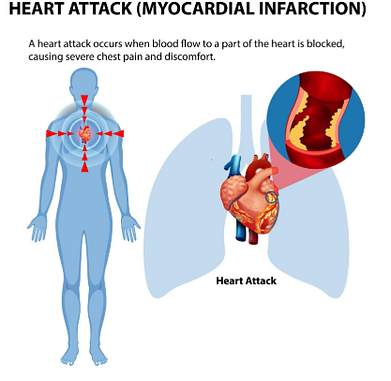
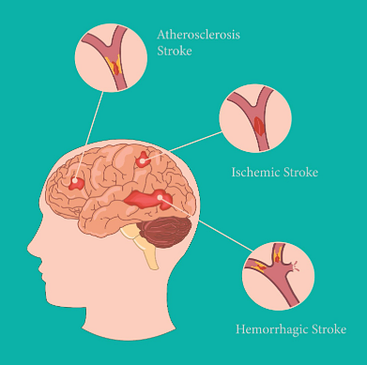
Over time, this increased pressure strains blood vessels and organs, raising the risk of heart attack, stroke, kidney disease, and cognitive decline.
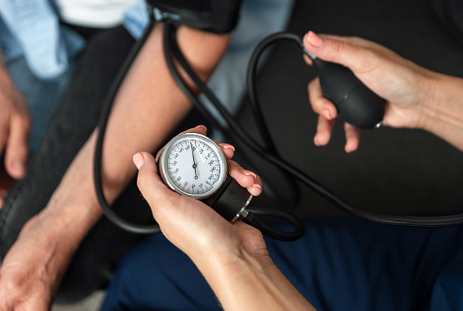
Early Warning Signs (Even Though It’s “Silent”)
The symptoms of high blood pressure are frequently mild. But some individuals might observe:
- Regular headaches
- Lightheadedness or dizziness
- Vision blurriness
- Breathlessness
- Discomfort in the chest
- Unusual exhaustion
Usually, these symptoms start to show when blood pressure has already risen considerably.
Therefore, even when you “feel fine,” routine monitoring is crucial.

What Causes High Blood Pressure?
Hypertension doesn’t usually have a single cause. It develops from a combination of genetic, environmental, and lifestyle factors.
1. Chronic Stress
Stress activates the nervous system, increasing heart rate and narrowing blood vessels. Over time, chronic stress keeps the body in a prolonged “alert” state.
If you’ve been following Gleeful Health Nexus, you already know:
The body keeps score.
Long-term nervous system dysregulation can contribute significantly to rising blood pressure.
2. Diet High in Sodium and Processed Foods
The body retains water when sodium levels are too high. In the arteries, this raises blood pressure and volume.
Fast food, canned soups, packaged snacks, and highly processed foods are all significant contributors.

However, the body may find it more difficult to balance sodium if it consumes insufficient amounts of foods high in potassium, such as beans, bananas, and leafy greens.
3. Sedentary Lifestyle
The heart is a muscle. Without regular movement, it becomes less efficient at pumping blood, increasing strain on arteries.
Even moderate daily walking improves circulation and reduces risk.
4. Excess Body Weight
Carrying extra weight forces the heart to work harder to supply oxygen and nutrients throughout the body. This added workload raises blood pressure over time.
If chronic stress or overwhelm is affecting your blood pressure, a structured reset can help restore balance. That’s exactly what The Wellness Reset System is designed to guide.
5. Poor Sleep
Chronic sleep deprivation or untreated sleep apnea disrupts hormone regulation and stress response systems.
Sleep is not optional; it is regulatory medicine for the nervous system and cardiovascular system.
6. Genetics and Age
Family history plays a role. Blood vessels naturally stiffen with age, which can increase systolic pressure.
However, genetics loads the gun; lifestyle pulls the trigger.
Why High Blood Pressure Is Dangerous
Uncontrolled hypertension can lead to:
- Heart attack
- Stroke
- Kidney damage
- Vision loss
- Cognitive decline
- Aneurysm
It quietly damages artery walls, making them less elastic and more prone to plaque buildup.
The risk accumulates over the years.
Smart Prevention Strategies
The empowering part is now.
Your age cannot be altered.
Genetics cannot be changed.
However, you can affect everyday routines.
1. Make Nervous System Regulation a Priority
This is more than just “relaxing.” Stress hormones can be reduced by regular breathing techniques, meditation, spending time outdoors, and setting boundaries on digital devices.
Breathing slowly for even five to ten minutes can momentarily lower blood pressure.
2. Adopt a Heart-Supportive Eating Pattern
Focus on:
- Leafy greens
- Berries
- Beans and lentils
- Whole grains
- Healthy fats (olive oil, nuts)
- Fatty fish
This aligns with principles of the Mediterranean-style eating pattern, which consistently supports heart health.
Reduce:
- Processed foods
- Sugary beverages
- Excess salt
- Refined carbohydrates


3. Move Every Day
You don’t have to work out hard.
- 30 minutes of vigorous strolling
- Mild strength training
- Stretching in Yoga
Intensity is inferior to consistency.
4. Improve Sleep Hygiene
- Go to bed at consistent times
- Reduce screen exposure before bed
- Keep the room dark and cool
- Avoid caffeine late in the day
Sleep lowers stress hormones and allows blood vessels to relax.
5. Maintain a Healthy Weight
Even modest weight loss (5–10% of body weight) can significantly lower blood pressure.
6. Limit Alcohol and Stop Smoking
Smoking damages the blood vessel lining immediately.
Excess alcohol raises pressure and disrupts sleep.
7. Monitor Regularly
Home blood pressure monitors are affordable and simple to use.
Tracking creates awareness, and awareness creates change.
When to Seek Medical Support
Lifestyle changes are potent. However, medication may be required in some cases.
If:
- Your readings consistently remain above 130/80
- Chest pain or severe headache are felt
- You have pre-existing conditions such as diabetes or kidney disease
It is not a failure if medication is required because it can be a useful tool.
The Bigger Picture: Prevention Is Daily, Not Dramatic
Blood pressure doesn’t magically increase overnight. It’s the result of a series of stressors, a lack of physical activity, inadequate sleep, and eating habits.
The good news, though, is that making small, incremental changes can add up to big, positive changes over time.
At Gleeful Health Nexus, we focus on sustainable wellness, not extremes. Balance the nervous system. Nourish the body. Move the body. Sleep the body. These habits aren’t only good for the heart, but the mind, too.
Final Thoughts
Blood pressure is a common issue, but it doesn’t have to be a given.
The body whispers before it screams.
Listen to the whispers.Listen regularly. Support yourself every day. Remember, prevention isn’t perfect; it’s constant.
You have a heart that beats only for you, every second of every day.
The question is, what are you doing to support it in return?
Preventing high blood pressure involves more than just checking numbers — it’s about caring for yourself holistically. For guided support in building gentle, sustainable habits, explore The Wellness Reset System.