
By the end of the day, you feel as though you have given something to everyone.
You answered messages, handled responsibilities, listened to someone’s concerns, and squeezed in another task you had not planned to do. Nothing particularly dramatic happened. Yet you have little patience or attention left for yourself.
You try to understand why you feel so stretched.
Sometimes, the answer becomes clearer when you look at the small demands scattered throughout your day: the repeated interruptions, unnecessary decisions, unresolved tasks, and commitments you accepted without checking your capacity.
Each may seem manageable on its own. Together, they can leave your day feeling crowded.
Identifying everyday drains means noticing what repeatedly takes more from you than you can comfortably give—and deciding what you can change.
You do not need to reorganize your entire life to begin.

Notice When Your Day Starts to Feel Heavy
Before changing your schedule, pay attention to where the strain appears.
For a few days, briefly note the moments when you feel particularly rushed, distracted, frustrated, or reluctant to begin something.
What happened just beforehand?
Perhaps you checked messages while trying to finish an important task. Maybe a short conversation became an hour-long commitment. Or you spent twenty minutes searching for a document you knew you had saved somewhere.
Look for repetition rather than judging each incident.
You might discover that your mornings are manageable until you open social media, or that your evenings become difficult when you leave every household decision until the last minute.
Useful observations are specific:
“Tuesday’s errands were tiring because I made three separate trips.”
“I felt frustrated after agreeing to help before checking my schedule.”
These details point toward changes you can actually make.
1. Constant Availability
Being reachable can quietly become an expectation that you will respond immediately.
A message arrives during breakfast. A call interrupts your work. Someone asks a “quick question” just as you are preparing to leave.
You may spend the day reacting without getting a clear opportunity to finish what you intended.
Restore some balance
Choose one part of your day when nonurgent messages can wait.
You might silence notifications while eating, check your inbox at a few planned times, or let people know when you are usually available.
Try:
“I’m in the middle of something. I can respond this afternoon.”
Account for responsibilities that require you to remain reachable. Even then, you may be able to limit unrelated interruptions.
The aim is to give your attention a little more direction.
2. Commitments You Accepted Too Quickly
A request can sound manageable until you consider everything it involves.
Helping with an event may include preparation, travel, cleanup, and follow-up. A favor that takes “only a few minutes” may require rearranging your afternoon.
If you often regret saying yes, examine the moment before you agree.
Restore some balance
Use a pause:
“Let me check what I can manage before I commit.”
Then consider the full cost in time, effort, and money.
You might offer a smaller contribution, suggest a different date, or decline. If an existing commitment has become unmanageable, discuss it early enough for another arrangement to be made.
A clear limit can prevent the resentment that grows around an unmanageable promise.

3. The Same Small Problems, Repeated Every Day
You cannot find your keys. You search several places for an appointment time. You reach lunchtime without knowing what is available to eat.
These moments may seem too minor to address, but repetition makes them worth examining.
Restore some balance
Choose one recurring inconvenience and give it a simple solution.
Put essential items in one familiar place. Keep appointments on one calendar. Choose a few easy meals you can prepare without extensive planning.
Before buying another organizer or downloading another app, ask:
What would remove one unnecessary step?
A useful system should make the task easier to complete and easier to remember.
4. Unfinished Tasks Without a Next Step
Some tasks stay on your mind because you have not decided what they require.
“Sort the paperwork.”
“Deal with that email.”
“Make progress on the project.”
You may repeatedly remember them without moving any closer to finishing.
Restore some balance
Turn each vague task into one visible action.
Instead of “sort the paperwork,” write “gather the statements into one folder.”
Instead of “deal with the email,” write “check the date before replying.”
Then choose when to return to it.
You may also find tasks that no longer matter. Remove them deliberately rather than carrying them indefinitely.
5. Conversations That Leave Too Little Room for You
Some relationships settle into patterns where you listen, reassure, and solve problems, while your own experiences receive little attention.
A difficult conversation does not make a relationship unhealthy. People go through seasons when they need more support. What matters is the broader pattern and whether your limits are respected.
Restore some balance
Be honest about what you can offer.
“I have fifteen minutes to talk today.”
“I care about this, but I don’t have the capacity for a long conversation tonight.”
You can also express a need directly:
“I’d like to tell you about something I’m dealing with, too.”
Notice how the person responds over time. There may be room to improve the relationship through clearer communication. In other situations, you may need more distance or support in deciding what to do.
6. Turning Every Quiet Moment Into More Input
You finish one responsibility and immediately open an app, play a video, or check the news.
Sometimes that is enjoyable. Other times, you reach the end of your break feeling that you never stepped away from demands on your attention.
Restore some balance
Before filling the next quiet moment, ask:
What would I enjoy right now?
Perhaps it is music. Perhaps it is a few pages of a book, a conversation, or sitting outside without doing anything else.
Let the answer guide at least some of your breaks.
You can also give certain activities a stopping point, especially when they regularly take longer than you intended.

7. Expectations That No Longer Fit Your Life
You may still be measuring yourself against a routine from a different season.
Perhaps your responsibilities have grown. Your working hours have changed. You are caring for someone, managing limited resources, or moving through a difficult period.
Yet you expect the same pace and output as before.
Restore some balance
Review what you are asking of yourself.
Which tasks are essential? Which standards are personal preferences? What could be done less often, more simply, or with help?
A less elaborate meal, a shorter task list, or a postponed project may be a reasonable response to your circumstances.
Let your expectations reflect the time and support you actually have.
Try a Simple “Keep, Change, Release” Review
Choose one part of your day and look at it through three questions:
Question | What to consider |
What should I keep? | Activities and arrangements that work well or matter deeply to you. |
What could I change? | A necessary task that needs better timing, fewer steps, or shared responsibility. |
What could I release? | An unnecessary commitment, outdated expectation, or task that no longer serves a purpose. |
For example, you might keep your evening call with a friend, agree on a shorter time, and release the expectation that you must also finish every household chore afterward.
Choose one adjustment for the coming week. Notice whether it makes a meaningful difference before adding another.
Recognize What Requires More Than a Routine Change
Some pressures come from financial hardship, demanding work, caregiving, grief, or circumstances you cannot readily change.
Be fair to yourself about those limits. A better planner cannot resolve every burden.
Consider what practical support might be available: sharing a responsibility, asking for clearer expectations, having a difficult conversation, or seeking appropriate professional guidance.
You can make useful adjustments without holding yourself responsible for solving everything alone.
Make Room for Reflection With The Wellness Reset System
Understanding your everyday drains begins with noticing how you spend your time and what your routine asks of you.
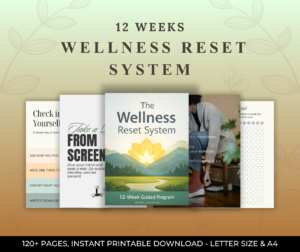
If you would welcome a guided place to reflect, The Wellness Reset System offers a 12-week framework for exploring your wellness habits and making more intentional room for self-care.
Use it alongside the small adjustments you choose, at a pace that fits your circumstances.
Visit Digi Book Bazaar to explore The Wellness Reset System and browse the wellness book collection.
Give One Part of Your Day a Little More Room
Look at tomorrow with curiosity.
Where could you reduce an interruption, simplify a decision, or ask for help? Which commitment needs an honest limit? What small inconvenience are you ready to solve?
Start where you have some influence. Make one thoughtful adjustment, then see what it changes.
What takes more from your day than you want to keep giving—and what could you do differently this week?